
What is Couverture Chocolate?
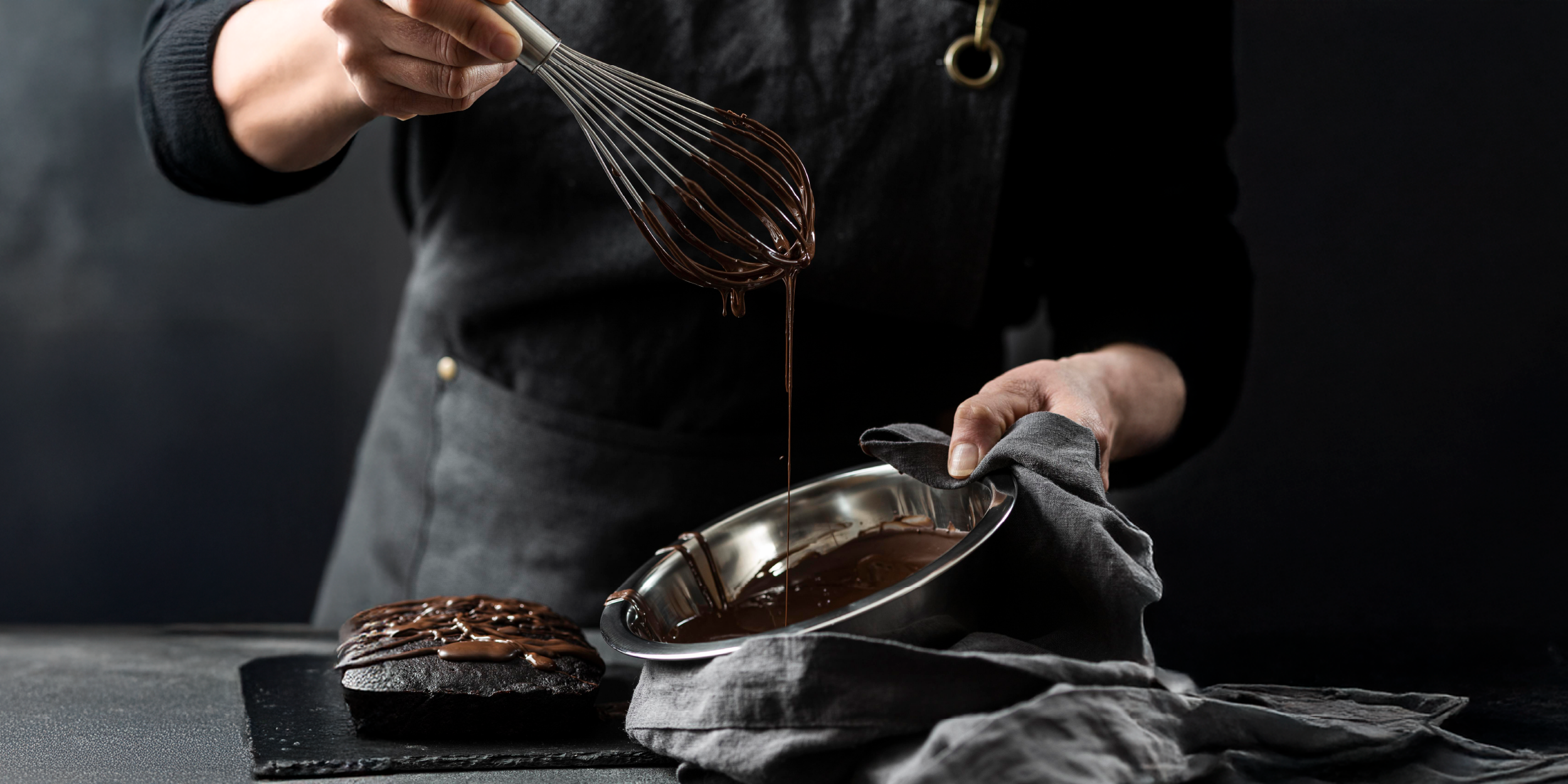
Couverture chocolate is considered the gold standard of chocolate used by professional chocolatiers and pastry chefs. It is made with a high percentage of cocoa butter, which gives it superior melting properties, shine, and mouthfeel.
What It’s Made Of
Couverture chocolate typically contains cocoa mass, cocoa butter, sugar, and an emulsifier such as soy or sunflower lecithin. Premium varieties may also include natural vanilla for enhanced flavor. According to international standards, couverture chocolate must contain at least 31% cocoa butter and a minimum of 35% cocoa solids. This elevated cocoa butter content is what gives couverture its exceptional fluidity when melted, making it ideal for enrobing, molding, and fine pastry work. It also delivers a smooth, glossy finish and a clean snap when properly set.
What is Compound Chocolate?
Compound chocolate is a lower-cost alternative to couverture. The main goal of compound chocolate is to look and taste like real cocoa butter chocolate, but it is cheaper and has different qualities.
What It’s Made Of
Instead of cocoa butter, it uses vegetable fats such as palm kernel oil or coconut oil. It also relies on cocoa powder rather than cocoa mass or liquor.
Tempering: A Key Difference
Couverture Chocolate
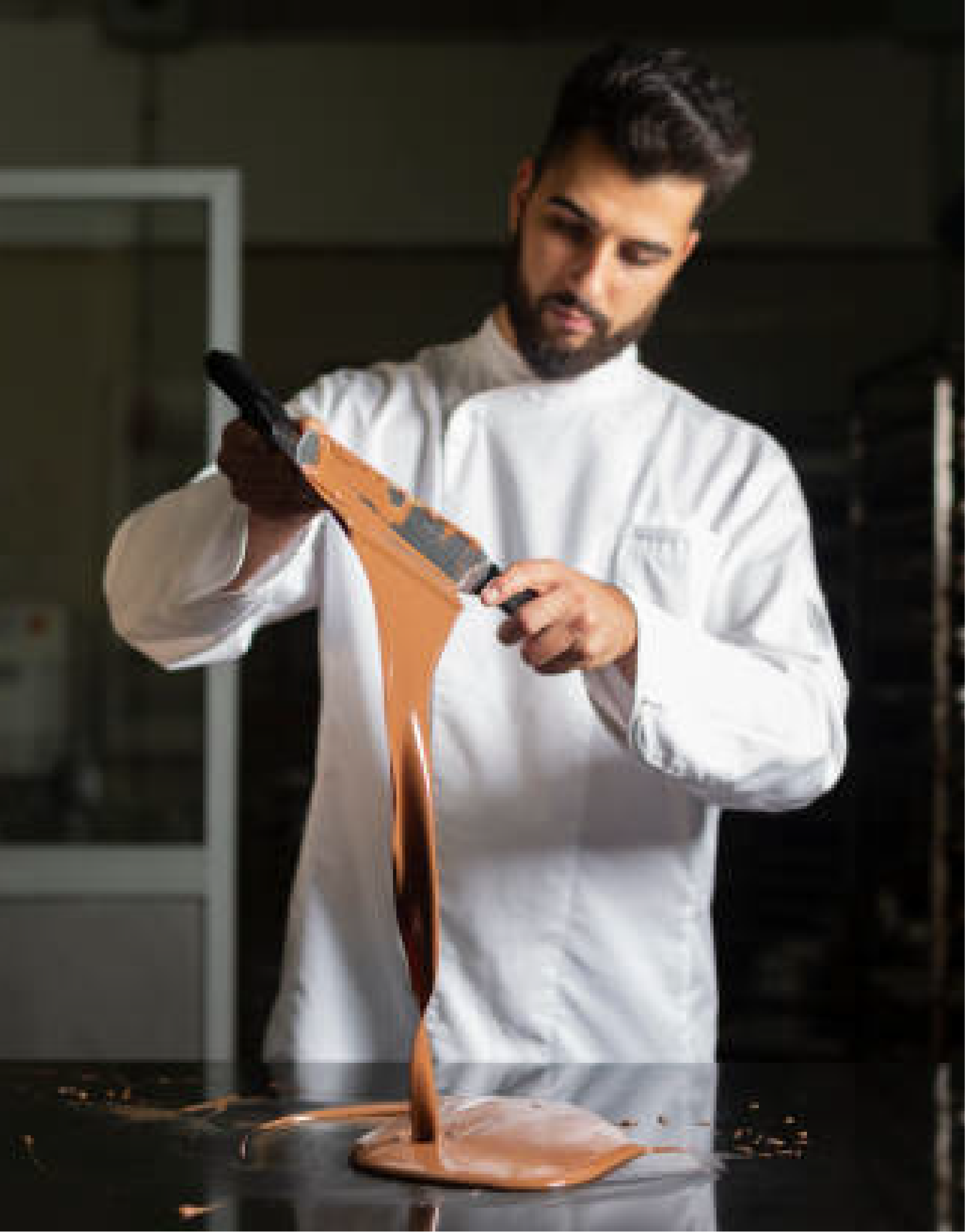
Couverture contains real cocoa butter and must be tempered to stabilize its fat crystals. Tempering involves carefully heating, cooling, and reheating the chocolate to specific temperatures so that the cocoa butter crystals align correctly. Properly tempered couverture chocolate:
- Has a glossy finish
- Sets firmly at room temperature
- Produces a crisp snap when broken
- Resists streaking and fat bloom
Without tempering, couverture may appear dull, feel soft, or develop white streaks over time. While the process requires practice and tools such as a thermometer or marble slab, mastering it unlocks the full potential of couverture chocolate.
Compound Chocolate
Compound chocolate does not require tempering because it contains no cocoa butter. It can be melted gently and used immediately, making it ideal for beginners or situations where speed and simplicity matter. This makes compound chocolate especially useful for quick decorations and large-scale production.
Difference in Taste and Texture
The most noticeable difference between couverture and compound chocolate lies in flavor and mouthfeel.
Couverture chocolate offers a rich, complex chocolate taste with a smooth, melt-in-the-mouth texture. Cocoa butter melts at body temperature, which creates a luxurious eating experience and allows nuanced cocoa flavors to shine.
Compound chocolate, by contrast, has a firmer bite and a waxier texture due to the vegetable fats used. Its flavor is generally milder and less complex. While it can still be enjoyable, it lacks the depth and refinement associated with real cocoa butter chocolate.
When Compound Chocolate Makes Sense
Compound chocolate is well suited for:
- Figurines
- Cake pops and dipped cookies
- Simple decorations
It remains a practical option for everyday baking, especially when budget and convenience are the main considerations.
Our Preferred Choice: Couverture chocolate
Couverture chocolate is the right choice when quality, taste, and visual appeal are priorities. It is commonly used for:
- Ganache and fillings
- Enrobing truffles and pralines
- Chocolate bars and bonbons
- Mirror glazes and refined pastry work
For bakeries, hotels, pastry kitchens, and food manufacturers sourcing professional-grade couverture chocolate, Win Sin distributes a curated portfolio of premium brands including Cémoi (France), IRCA (Italy), and Lindt (Switzerland).
With options ranging from single-origin to premium couverture designed for professional use, Win Sin supports a wide range of applications — from artisan confectionery to large-scale pastry and dessert production.
Final Thoughts
Both couverture and compound chocolate have their place in the kitchen. Couverture chocolate stands out for premium applications, while compound chocolate excels in simplicity and speed.
By understanding their differences and choosing the right chocolate for your creations, you can achieve your desired results, every time.


